Beekeeping: I dreamed of my first hive for years. Then, one spring, I set it up and lit the smoker. When the bees hummed, I felt a deep connection to nature. That first honey was like sunshine in my mouth, making all the waiting worth it. Backyard beekeeping surprised me with its impact. It helped pollinate not just my garden but also street trees and neighbor shrubs. The hive taught me the importance of calm, care, and respect in a busy world.
Beekeeping is more than a hobby; it’s about understanding and caring for nature. Climate change, habitat loss, and pesticides threaten bees, so managing our apiaries well is critical. I learned to read my colony’s needs, from the queen’s egg-laying to the workers’ hard work. The work is steady and seasonal. In spring, we add space; in late summer, we restrain; in fall, we feed; and all year, we control mites. Motivation is key, as honey production is just one part of the job.
Discipline is essential in beekeeping. Varroa mites don’t care about our good intentions. I monitor them with alcohol washes and treat when necessary. Using standard Langstroth equipment and a smoker helps me work gently and safely. I place hives for morning sun and quiet spots, away from sprays and foot traffic. Community support keeps me on track. Local clubs teach me about swarm signs, allergies, and patience during hot flows. I follow classic USDA wisdom and modern guides, testing them in my yard. For a solid start, check out this intro to beekeeping. For a broader view, see this on honey bee conservation.
Bee Keeping: Key Takeaways
- Beekeeping blends care, patience, and hands-on learning with real environmental impact.
- Backyard beekeeping and urban beekeeping boost local pollination beyond your garden.
- Effective apiary management focuses on varroa control, nutrition, and calm handling.
- Choose solid gear—smoker, hive tool, veil—and standard Langstroth equipment to start.
- The site has level ground, morning sun, nearby flowers, and low-traffic areas.
- Honey production is a reward, but responsible inspections and seasonal planning sustain the colony.
- Join local mentors and clubs to shorten the learning curve and build confidence.
Getting Started with bee keeping: apiary management, equipment, and setup
I started beekeeping with a simple idea: could a small box of life change my view of the world? It did. With a calm smoker, a steady hand, and a clear plan, beekeeping feels like a mindful start. Good gear, a safe site, and kind handling set the tone.
Why keep bees: pollination benefits, environmental impact, and fresh honey
Bees connect our neighborhood. One hive boosts pollination for trees, herbs, and gardens down the block, not just your own yard. In a time of heat waves and shrinking habitat, that helps matters. The payoff is tangible. Fresh honey tastes of your season—clover after rain, citrus in bloom. It’s unhurried, less processed, and easy to share with friends. When I gift a jar, I feel like I’m handing over a small weather report.
Understanding hive life: queen, workers, and drones—how the colony functions
The colony runs like a living engine. A single queen lays thousands of eggs. Workers—always female—handle brood care, foraging, defense, and even climate control with their wings. Drones exist to mate, then fade from the stage when resources tighten. I watch their rhythm and ask, What makes a community thrive? Clear roles, steady food, and room to grow. That’s true for us, too.
Where to place your hive: flowers, morning sun, level ground, and low-traffic zones
Choose a quiet corner near diverse flowers, like flowering trees. Morning sun wakes foragers early; in hot regions, aim for some afternoon shade. Keep hives level and away from bright night lights, pools, and play areas. Guide flightlines away from sidewalks and patios. I face the entrance toward open space and keep water nearby, so bees don’t turn neighbors’ birdbaths into busy airports.
Choosing a hive: Langstroth vs. Flow Hive for U.S. beginners
Most beginners start with Langstroth gear because parts and advice are easy to find. Two deep brood boxes form a solid base, with medium supers added as colonies grow. For lighter lifts, 8‑frame equipment helps. Some prefer the Flow Hive for less-disruptive honey harvesting—turn a key and watch the cells drain. Whatever you pick, match it with thoughtful beekeeping supplies and calm technique: a dome‑top stainless smoker, a curved‑end hive tool, and a lightweight veil or jacket. I learned to move like Tai Chi—slow, smooth, respectful.
When I needed a deeper dive on first steps and varroa basics, this concise guide—first-year care for your nuc—grounded my practice. Then I mapped tasks and equipment from a practical primer at how to start beekeeping to build a steady routine. Start with purpose, standardize your beekeeping equipment, and keep your heart in the work—because small, attentive acts turn beekeeping into a lasting craft. And yes, that craft thrives in both urban beekeeping and backyard beekeeping when patience leads.
Hands-on how-to: bee health, honey production, and seasonal apiary management
I step into the apiary and listen first. The hum tells me if the colony is at ease or on edge. Good apiary management starts with small, steady moves: light smoke, slow hands, and a clear plan. I ask myself—what does the hive need today for strong bee health and steady honey production? Simple gear matters. I lean on dependable beekeeping equipment like a stainless hive tool, a cool-burning smoker, and well-fitted veils and gloves. With a few beekeeping supplies ready, I can act before problems turn into losses.
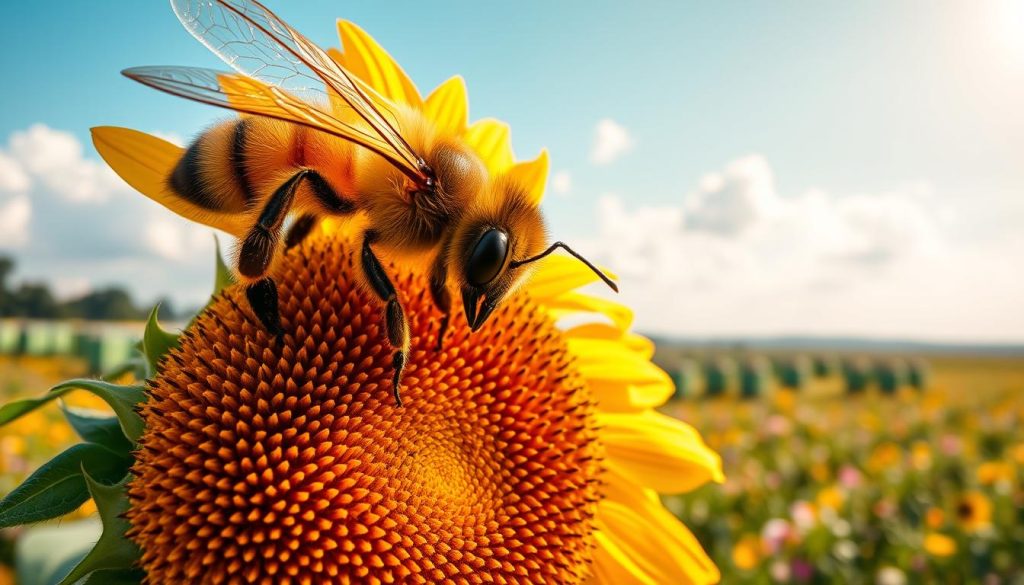
Daily to seasonal jobs of a beekeeper: adding space, preventing swarms, and inspections
In spring, I add boxes before the comb is crowded. Space is a promise that the queen can lie without pressure. When I see polished cells and growing nectar arcs, I add supers so bees expand upward instead of leaving. I inspect every week or so during the rush of warm months. I look for eggs, a calm temperament, and a steady brood pattern. If a queen falters, I requeen early. As fall nears, I reduce boxes to match the cluster, set lids tight, and check stores on mild winter days.
Bee health essentials: varroa mite monitoring (alcohol wash/sugar shake) and safe treatments
Varroa is the drumbeat I can’t ignore. I track mites with an alcohol wash for accuracy, and I confirm trends with a careful sugar shake when needed. When thresholds say “act,” I treat on time so viruses don’t surge. I choose methods that fit the season and temperature, and I avoid wishful thinking. Skipping treatment isn’t a strategy; it risks every hive nearby. For deeper guidance, I study best management practices and adjust my plan as conditions shift.
Nutrition management: feeding 1:1 syrup and pollen patties when forage is lacking
Strong bees start with food. When blooms lag, I feed 1:1 sugar syrup so colonies draw foundation and raise brood. I add protein patties during dearths to steady growth and to build the fat winter bees that carry the hive through cold. Water matters as much. I keep clean water close, in the sun, with landing stones. When the main nectar flow begins, I stop feeding, so stored honey stays pure, and my honey production reflects real forage.
Protecting the hive: mouse guards, elevation, fencing, and pest deterrence
Protection is quiet work. I install mouse guards before nights turn cold. I raise stands to shed rain and foil skunks. In bear country, a hot fence saves bees—and keeps me sleeping better. I stay ahead of small hive beetles, wax moths, and wasps by keeping colonies strong and equipment in good condition. When harvest nears, I pull supers only when at least 80% of the comb is capped, then store jars cool and dark. For a practical walkthrough of timing and tools, I often revisit this clear guide on beekeeping and honey production. In the end, I keep asking simple questions. Do the bees have space? Food? Safety? With the right beekeeping equipment, thoughtful beekeeping supplies, and a calm routine, the answer leans toward yes—and the apiary answers back with life.
BeeKeeping Conclusion
What keeps me in beekeeping is how it reshapes my attention. The hive runs on its own tempo, and I learn to meet it there. I started with two colonies, a smoker in hand, and a promise to check with care, not haste. Over time, my purpose widened from honey to stewardship. I place boxes in morning sun, feed through lean gaps, and read brood like a quiet ledger of health. The craft narrows to two compass points: varroa and nutrition. I monitor mites and act before damage sets in. Then, I feed 1:1 syrup and protein when forage dips.
Standard gear helps—Langstroth boxes, steady hands, and smoke used like Tai Chi breath. Local clubs turned confusion into practice, sharing when nectar flows rise and when to add space or split to keep swarms at bay. Urban beekeeping and backyard beekeeping may look different on the surface, yet both require the same calm habits and honest notes. Expect some losses; hedge with multiple hives. In winter, the work is light; in spring and summer, it hums. If you value a hobby that links hands, heart, and habitat, this one gives back with pollination, perspective, and—sometimes—a jar of gold that tastes like home.
For a deeper primer on pollination gains and hive products, I keep this guide close: apiculture basics. And when I need grounded tactics for apiary management—mite checks, feeding cues, and sunlit setups—I return to rules for successful beekeeping to align my choices with the colony’s rhythm.